

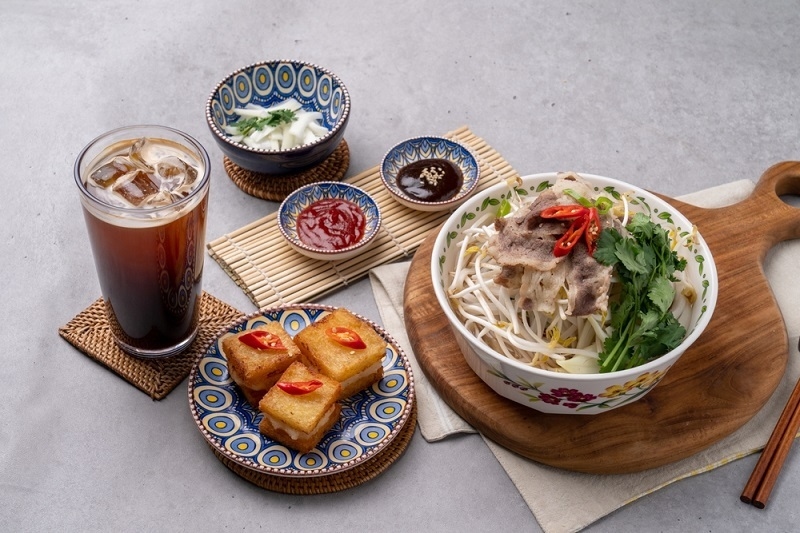
Sides for soup are the food items served along with soup to make the meal feel complete and satisfying. They help balance light meals and add comfort.
This blog explains why people enjoy soup sides, how side dishes for soup add value, what makes soup sides work well, and how to choose the right side dish to soup with ease.
Must Read: Perfect Soup Base Tips for Rich, Flavorful Homemade Bowls
Soup has a quiet role at the table. It is warm. It is steady. It asks nothing from the eater. But for many people, soup alone feels unfinished. This is where sides for soup step in, without noise and without effort.
Side dishes for soup give the meal structure. They add something solid to the experience. A spoon of soup followed by a bite of a side dish changes how the meal feels. It slows things down. It makes the meal feel planned, even when it is simple.
People also enjoy soup sides because they feel familiar. Many side dishes that go with soup are foods people grew up eating. Bread, simple baked items, or light grains bring comfort without trying too hard. These sides do not compete with soup. They support it.
Another reason sides for soup matter is fullness. Soup is often light. A side dish helps the body feel satisfied for longer. It reduces the need for extra snacks later. That quiet benefit is why soup sides remain popular across different meals and seasons.
Side dishes for soup offer more than taste. They shape how the meal works. Their value becomes clear when meals feel balanced and easy.
Side dishes for soup add solid food to liquid meals. This balance helps people feel full without feeling heavy. Meals feel complete instead of rushed or lacking.
Soup sides allow people to eat slowly. A side dish to soup adds breaks between spoonfuls. This makes meals calmer and more enjoyable.
Soup often has one main texture. Soup sides introduce contrast without changing flavors. This keeps meals interesting while staying simple.
Not every food works well as a soup side. The best soup sides follow simple ideas that keep meals smooth and comfortable.
Soup sides should never overpower the soup. Mild flavors keep the soup the center of the meal. This keeps the experience balanced.
A good side dish to soup should be easy to eat. It should not require effort or distraction. Comfort matters more than creativity.
Perfect soup sides add fullness without heaviness. They support the soup instead of replacing it. This balance keeps meals easy to enjoy.
Top Pick: Common Mistakes to Avoid When Making Basic Soup
Side dishes that go with soup work best when they are familiar and simple. These options suit most soups and everyday meals.
Bread remains one of the most common soup sides. It absorbs soup gently and adds comfort. Soft bread works well for slow and relaxed meals.
Toasted sides add mild crunch. They contrast smooth soups without effort. This side dish to soup feels natural and familiar.
Crackers are reliable soup sides. They are easy to portion and easy to eat. Many people choose crackers for daily soup meals.
Light grains help balance thin soups. They add body without changing taste. This side dish to soup keeps meals filling and calm.
Mild baked foods add warmth to soup meals. They support the soup instead of competing with it. These side dishes that go with soup work well during cooler days.
Vegetables keep soup meals balanced and light. They add freshness and texture. These soup sides suit people who prefer clean meals.
Simple snacks add crunch and comfort. They are easy to share and enjoy. These side dishes for soup fit relaxed eating moments.
Choosing the right side dish for soup does not need effort. A simple process helps guide better choices.
Thin soups pair better with solid sides. Thick soups work better with lighter sides. Matching texture keeps meals balanced.
A side dish to soup should support the soup's taste. Mild options help flavors work together without conflict.
Soup meals should feel calm. Choose soup sides that are easy to eat and do not interrupt the meal flow.
Before selecting sides for soup, a few points help avoid poor choices and improve meal comfort.
Light meals need light soup sides. Filling meals need simpler sides. Understanding the meal goal helps guide choices.
Side dishes for soup should be easy to prepare. Long preparation removes the comfort soup meals offer.
Familiar side dishes that go with soup often feel best. Comfort matters more than variety or trends.
Sides for soup can improve the overall taste of your meals. This is because they can add balance and comfort that ensures a feeling of fullness without effort. Simple soup sides help meals feel complete, calm, and easy to enjoy every day.
They help soup meals feel complete and satisfying without changing the soup itself.
Bread, crackers, grains, and mild baked foods are common side dishes for soup.
One simple soup side is usually enough for a balanced meal.
Yes, mild bread, grains, or vegetables add fullness without heaviness.
Not always, but soup sides help when soup feels too light or when longer fullness is needed.
This content was created by AI