

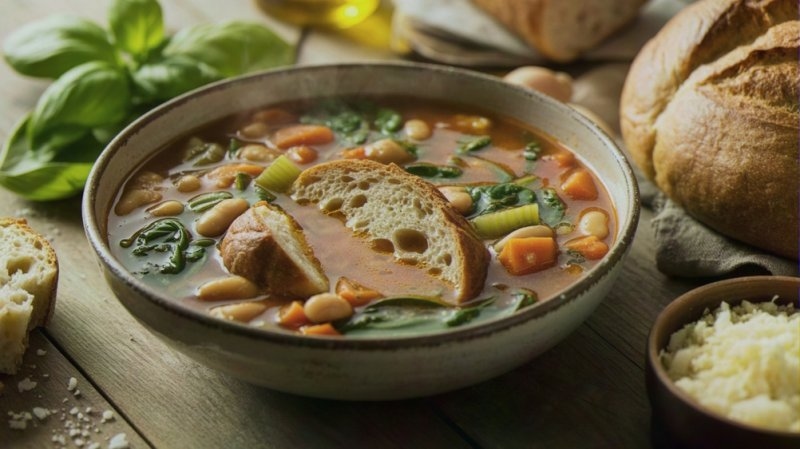
A well-made pot of soup always begins with good soup stock. Even if you are partial to delicate vegetable broths, thick beef and vegetable soups, or a familiar chicken soup with noodles, it is always stock that underpins the recipe. Understanding how to cook a satisfying batch of your own stock at home will enable you to manage ingredients, deepen flavor, and cook healthier food with no more time and effort than buying a container in the shop.
There’s a reason why a chef swears by his favorite stock: it can elevate a simple soup from bland to sensational. Better than just flavored water, good soup stock can lend body and aroma to a variety of ingredients, making each bite taste richer and more complex. In fact, those natural flavors aren’t something you can get by quickly simmering a few veggies.
When you’re making your own soup stock, you’ll save on salt and preservatives, plus there’s the benefit of getting rid of all those vegetable scraps and leftover bones from other recipes.
In short, your leftovers will be the foundation for something else great.
Not all stock is created equal, and each has a special job to do in the kitchen.
The most versatile stock you’ll ever make, chicken stock has a mild flavor that lends itself well to noodle dishes, rice, vegetables, dumplings, and almost any type of soup. The fact that it’s easily freezable means that home cooks often stock their freezer full.
This is your guy for stews, hearty French onion soup, beef and barley, or French dips. Using roasted beef bones will create a darker color and deeper flavor, and you can complement these by adding vegetables, tomato paste, and peppercorns to create an even more complex stock.
The lightest and brightest of the bunch, a good vegetable soup stock adds an extra punch to vegetable soups, rice dishes, pasta, and risotto. Vegetable stock can be cooked in less than an hour, so it’s your perfect go-to for busy nights.
Quality soup ingredients really make the best stock. Fresh vegetables, the right kinds of herbs, and plenty of water – they’re all crucial in creating balanced, savory flavor.
Cooking homemade soup stock doesn’t require a culinary degree, just a little patience.
Beef soup stock may need six to eight hours because the bones have longer to release their collagen. A vegetable soup stock can be done much faster, usually in about an hour. Remember to scrape off the foam and other impurities as they rise to the top of the pot; this helps achieve a cleaner, clearer, and smoother stock.
A few extra touches can go a long way toward making the best soup stock.
Before refrigerating your freshly cooked stock, make sure it has cooled to room temperature. Cover tightly, and your homemade stock should last for about 4 days in the refrigerator. To store for longer periods, consider freezing your stock in reusable containers or an ice cube tray.
Adding stock ice cubes is a quick way to boost the flavor in sauces and gravies! Be sure to label containers with the date of preparation so you can keep your freezer organized.
The most common mistake people make when preparing soup stock is simply not simmering long enough, cutting off all potential flavor development. Don’t rush the process; a slow and steady simmer is your best friend when it comes to developing that deep, rich stock flavor. Using old ingredients or subpar bones will also contribute to a less flavorful stock, so try to start with good-quality produce.
Another pitfall is adding too many ingredients to a pot without adding enough water. When you’re adding your veggies, herbs, and bones to the pot, fill the water up high enough to cover everything comfortably and give each element a bit of room to breathe. And finally, never forget to strain your stock through a fine mesh sieve before storing!
There’s a lot more to making homemade chicken stock, beef stock, or vegetable stock than there is to just throwing chicken bones or vegetable trimmings into some water. With these delicious, fresh ingredients simmering slowly in a pot, the flavor that the soup stock can offer to your cooking will be outstanding compared to anything store-bought.
Yes. You can combine beef and chicken bones to make one balanced stock with complex notes of flavor. However, the resultant flavor is not the same as chicken soup stock or beef soup stock, and is best for hearty soups, sauces, and braises that will welcome more richness.
Your stock is cloudy as a result of boiling the stock too aggressively or stirring the pot during the cooking time. Maintain a slow simmer on the stock and skim foam to ensure that your stock is clear.
Is there a way to make homemade soup stock without bones? Yes! You can create your own delicious vegetable soup stock using vegetables, mushrooms, herbs, and spices. It is possible to make some stock with dried mushrooms for a deeper flavor without the addition of meat. You will find these stocks light; however, they will still serve a multitude of purposes.
It’s best to wait until the stock has cooled in the refrigerator so that the fat solidifies on the top and can easily be lifted away. It’s possible to leave a bit of the fat on the stock for some extra flavor, but many stocks taste better without it.
This content was created by AI